Biography

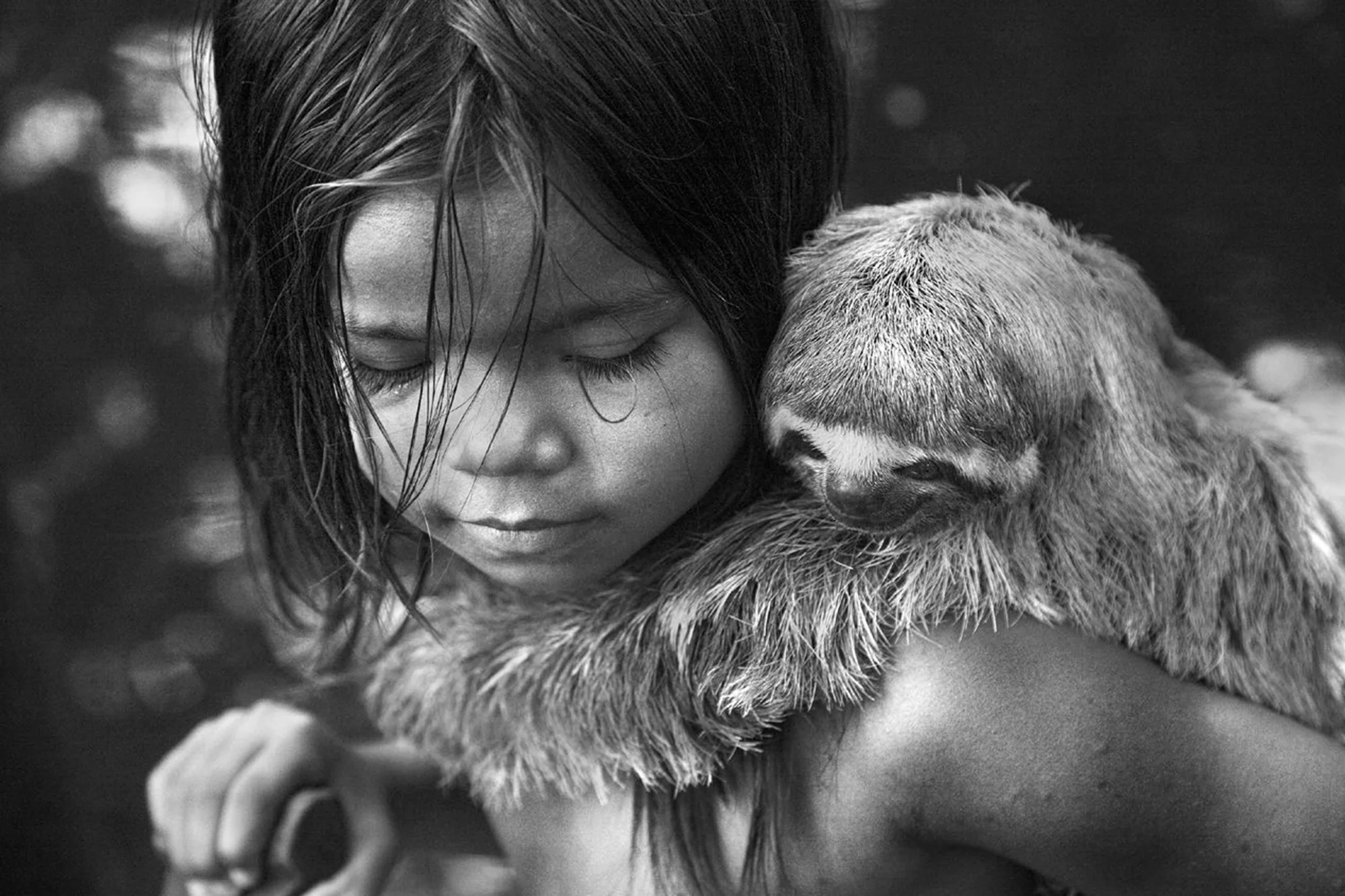
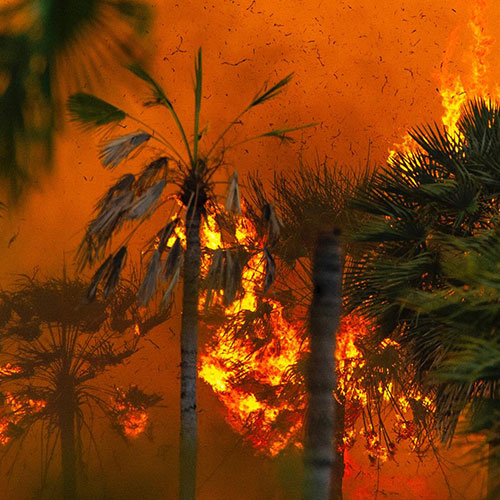
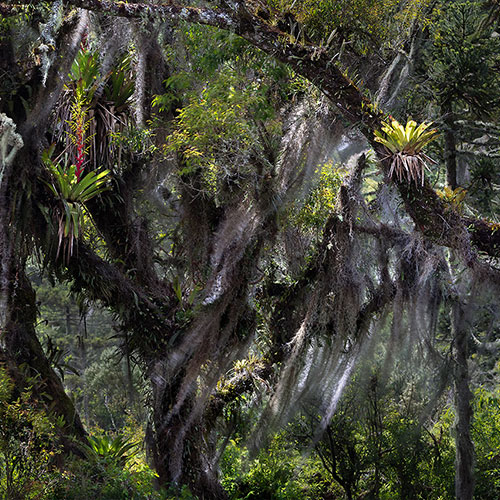
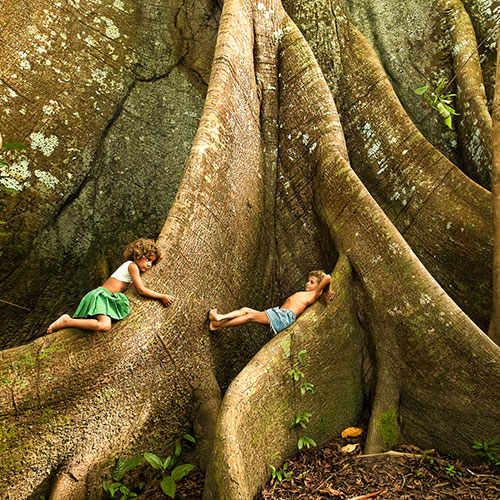
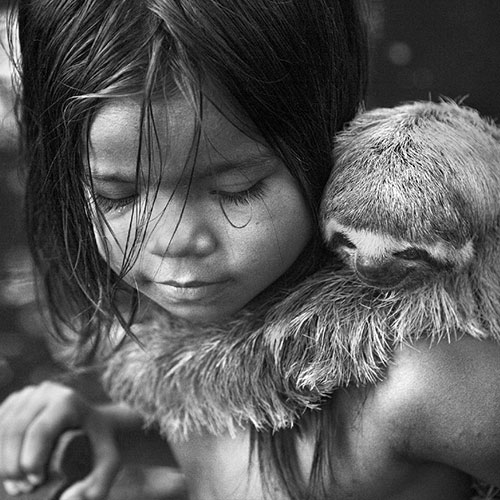
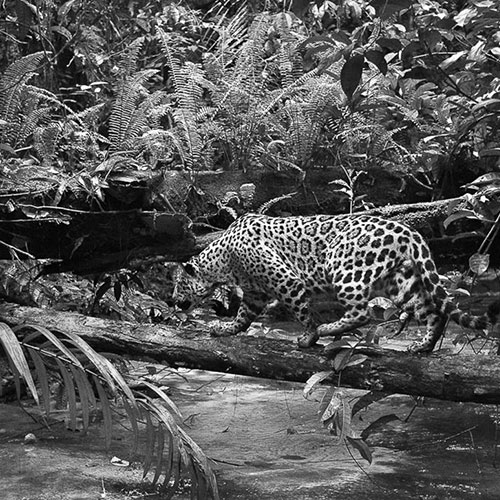
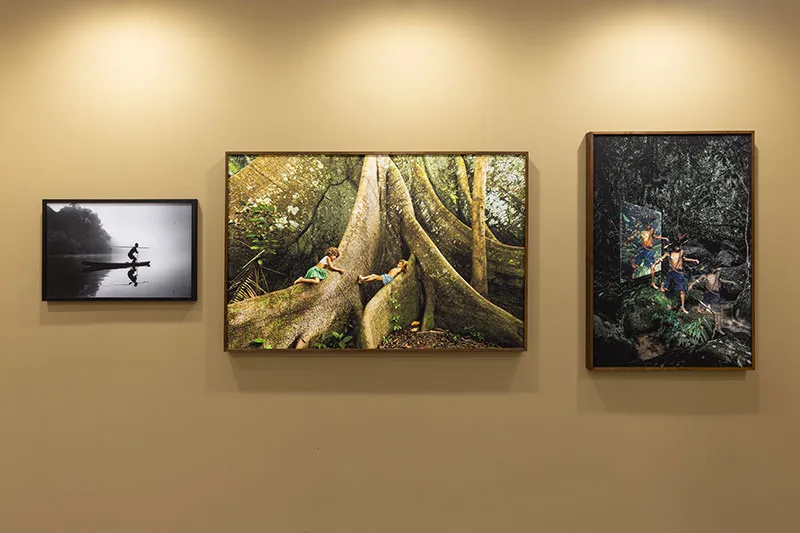
Araquém Alcântara’s color photographs bring Brazil’s national parks into view through lucid compositions of forests, rivers, wildlife and human presence. A photographer, journalist and teacher, he has spent decades documenting the country’s ecosystems. His images make landscape legible as a living network, while registering the pressures that threaten its continuity and the communities within it.
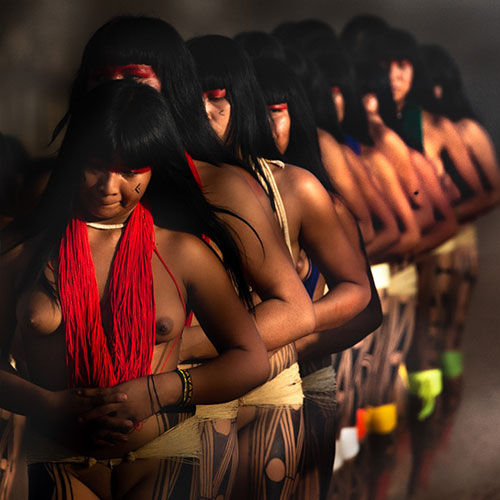
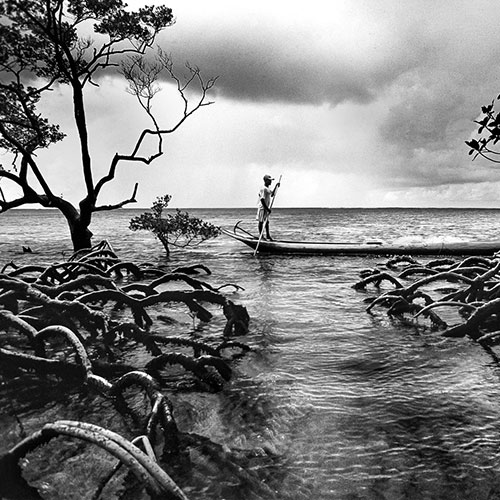
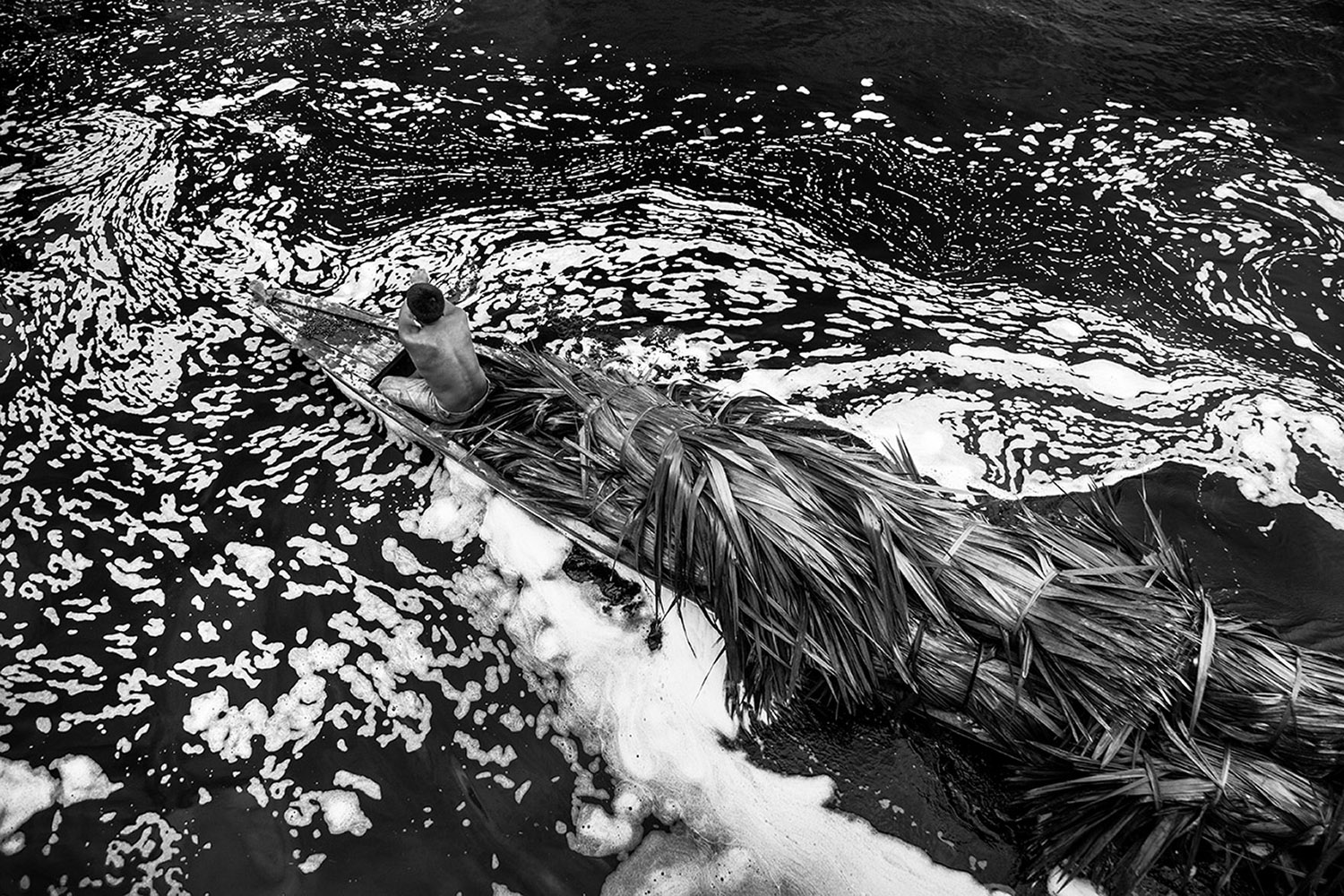
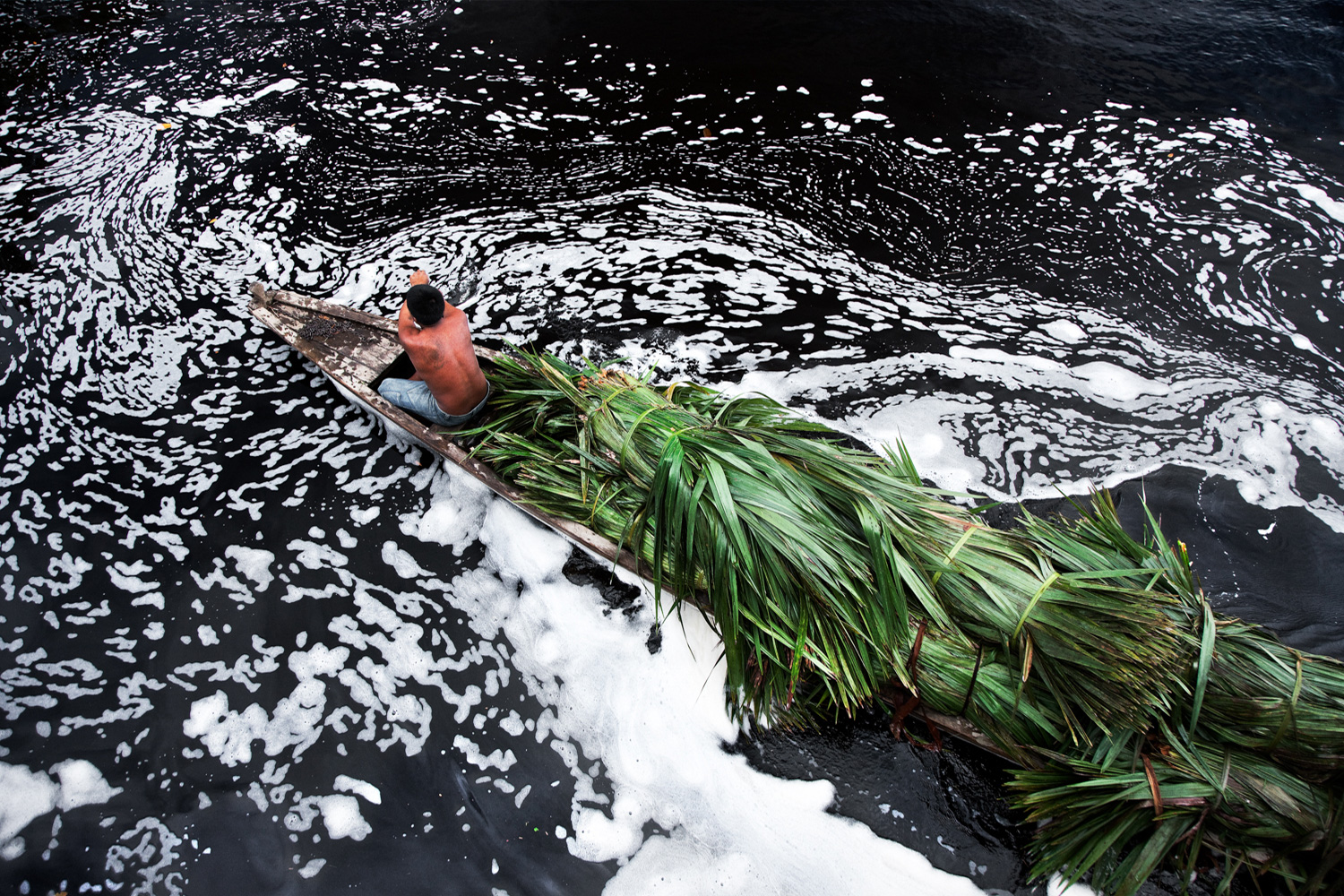
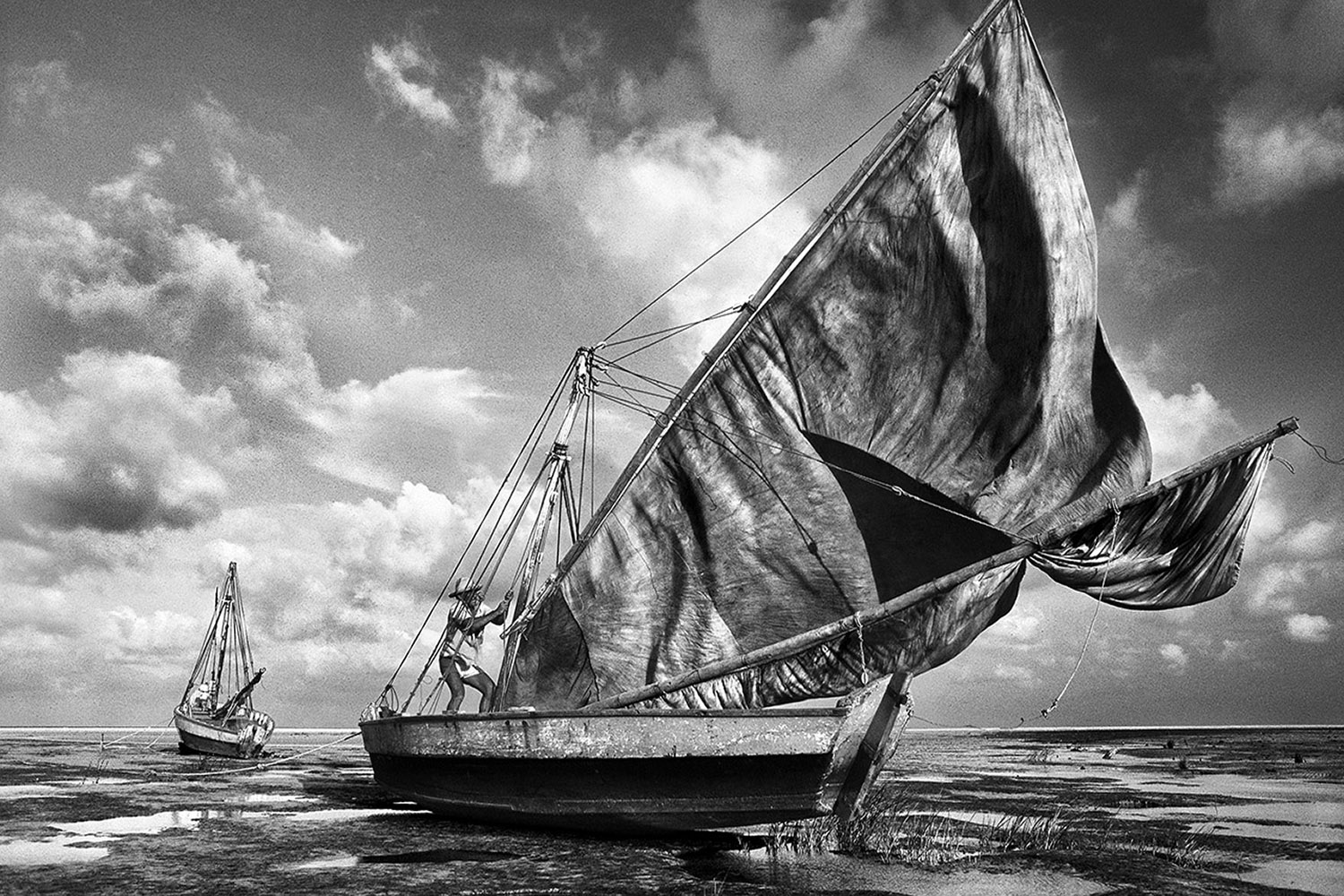
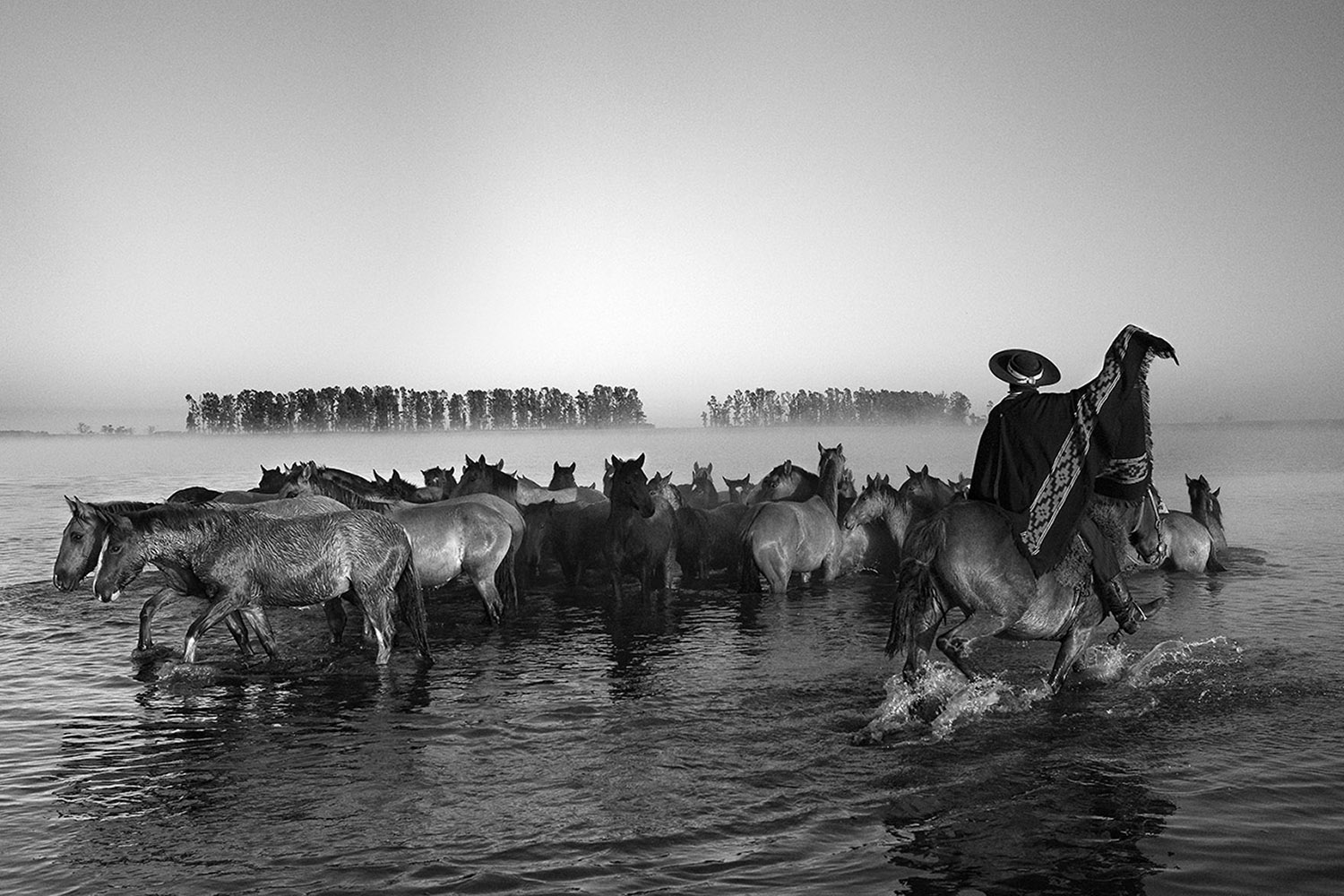
Beginning with an environmental report on Juréia in 1979, Alcântara went on to photograph the fauna and flora of 36 Brazilian ecological parks between 1988 and 1998. His practice also follows people who live and work near these environments: fishermen, cowboys and artisans, alongside festivals such as rural maracatu in Pernambuco and Bumba Meu Boi in São Luís. Nature and culture appear as intertwined forms of life.
In Alcântara’s photographs, Brazil’s landscapes are at once places of extraordinary abundance and fragile habitats: images that invite attention to beauty while asking viewers to consider what preservation demands of those who encounter them.
Working primarily with natural light and direct, balanced framing, Alcântara renders plants, animals and broad landscapes with clarity, often waiting for dawn or dusk to unify a scene in warm light. His photographs also turn toward everyday labor and popular festivals, where embroidered, vivid costumes can echo the colors of birds. Across these images, ecological richness is held alongside a quieter question: how can a country’s biodiversity be made visible without obscuring its vulnerability?
Born in Florianópolis in 1951, Alcântara studied journalism in Santos before going freelance in 1985. A 1979 report on Juréia led to Atlantic Forest expeditions. From 1988 to 1998, he documented wildlife and flora in 36 Brazilian ecological parks, resulting in Terra Brasil (1998). He received the Grand Prize at the 1st Ecological Photography Biennial (1982) and an APCA award (1993). His work is held by the Centre Georges Pompidou and Pirelli/Masp Photography Collection, giving this fieldwork international reach.