Biography

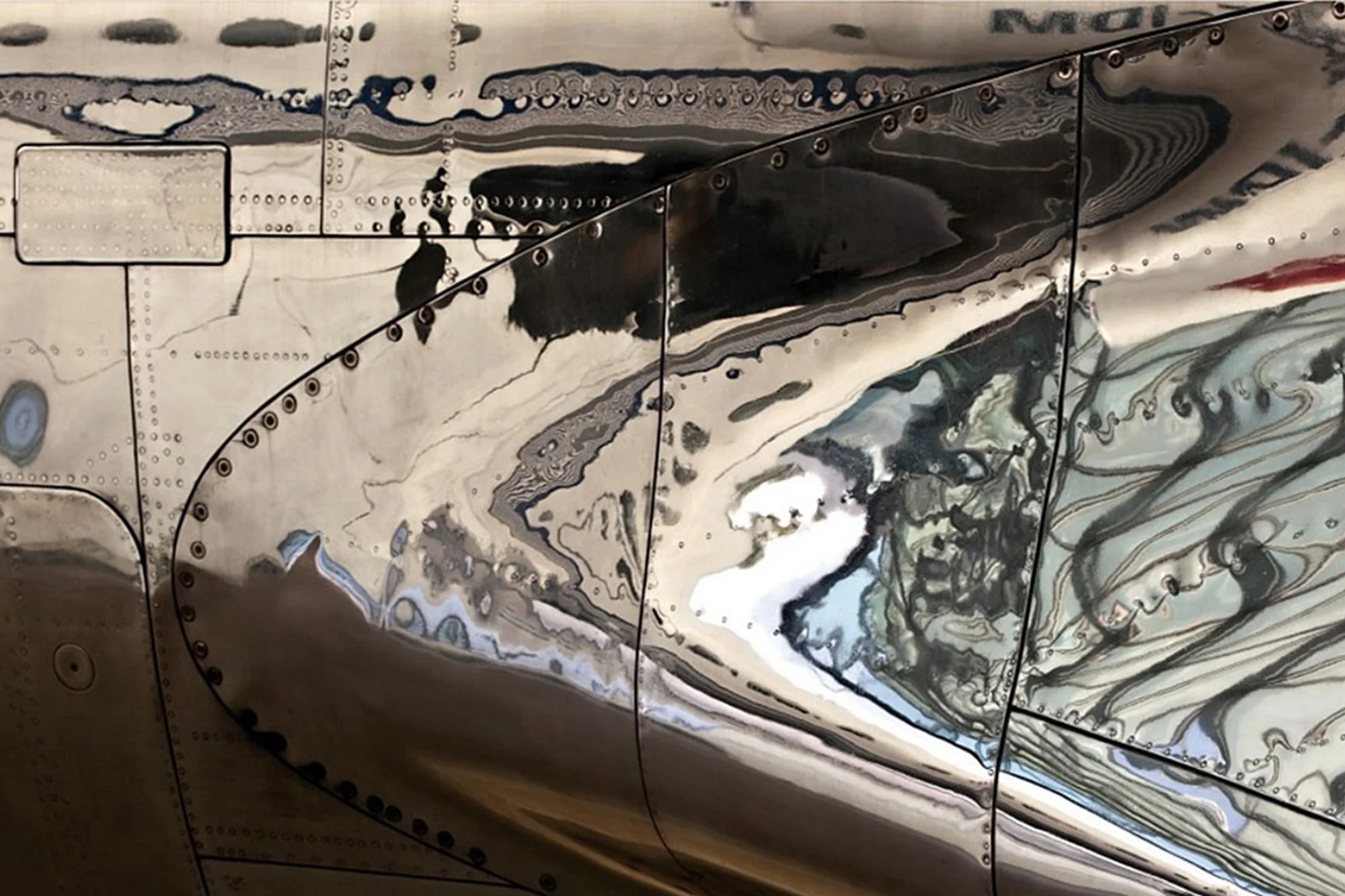
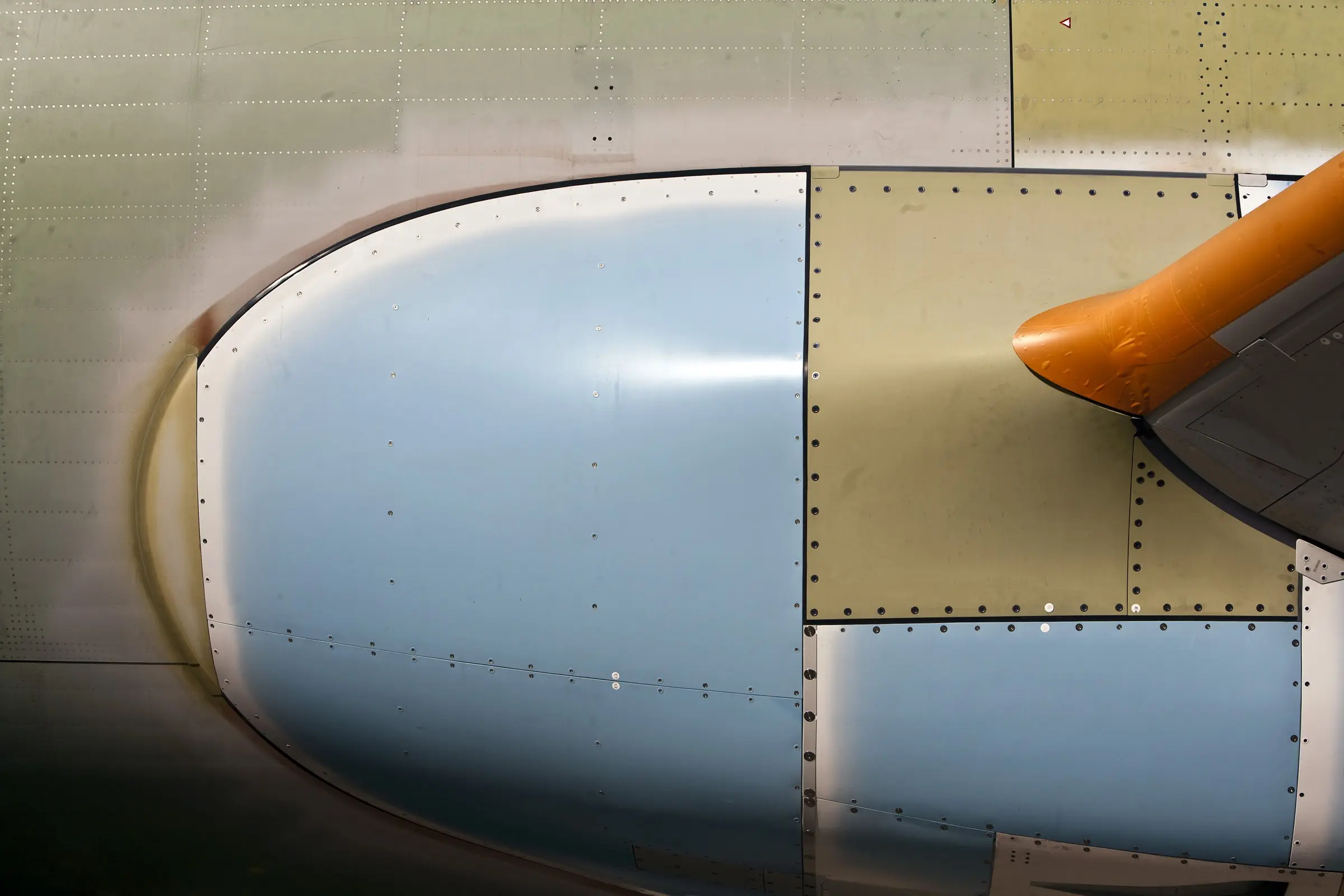
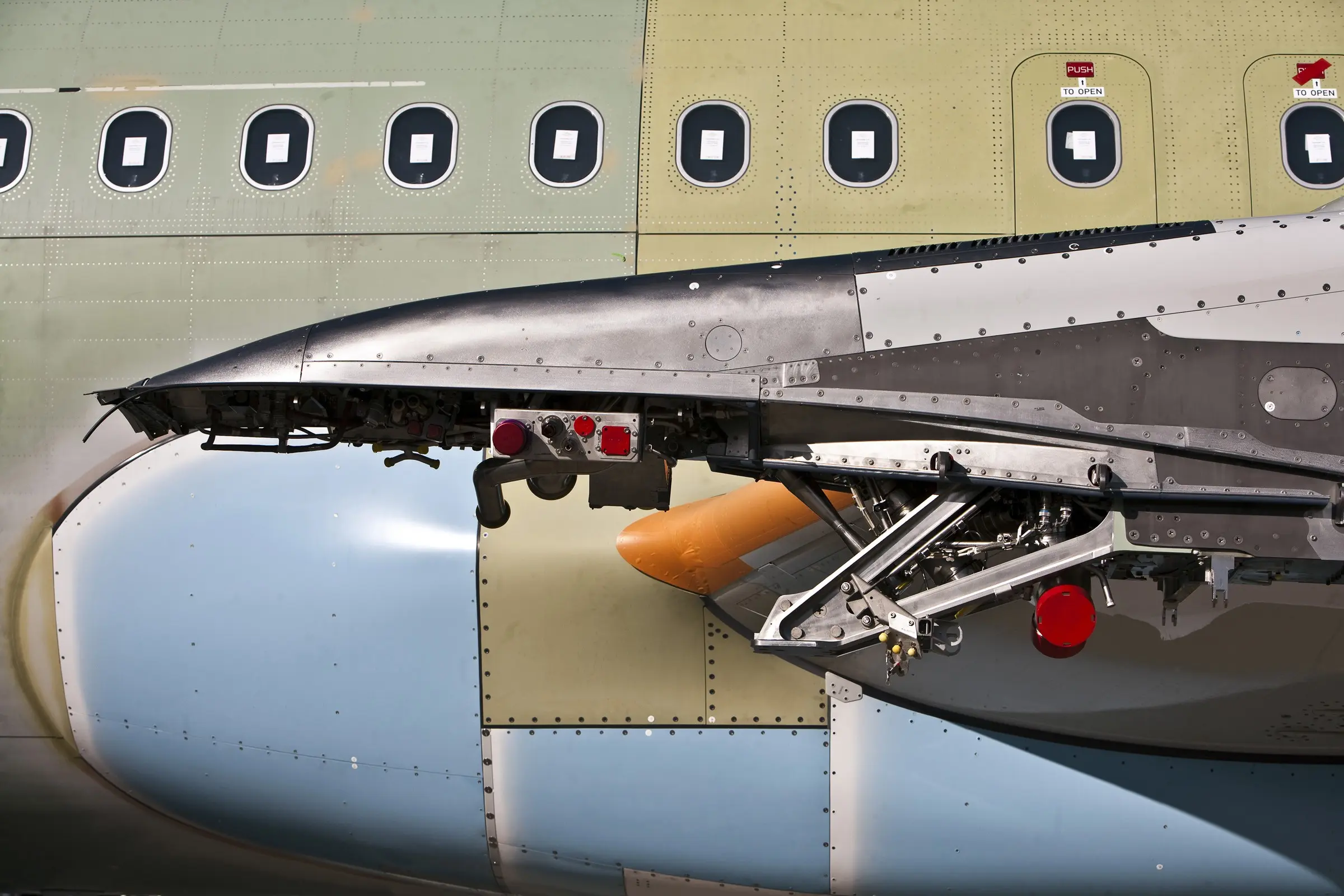
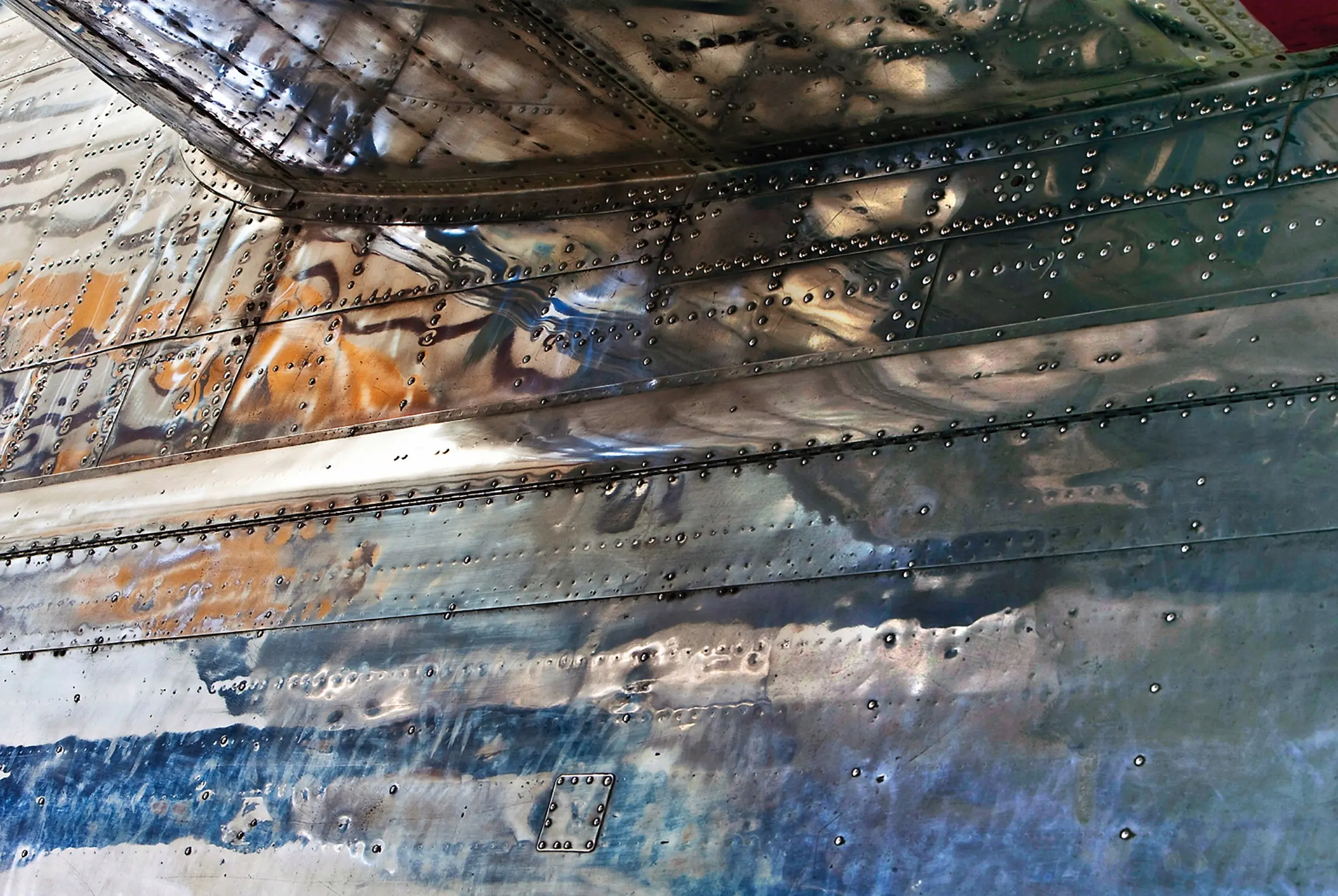
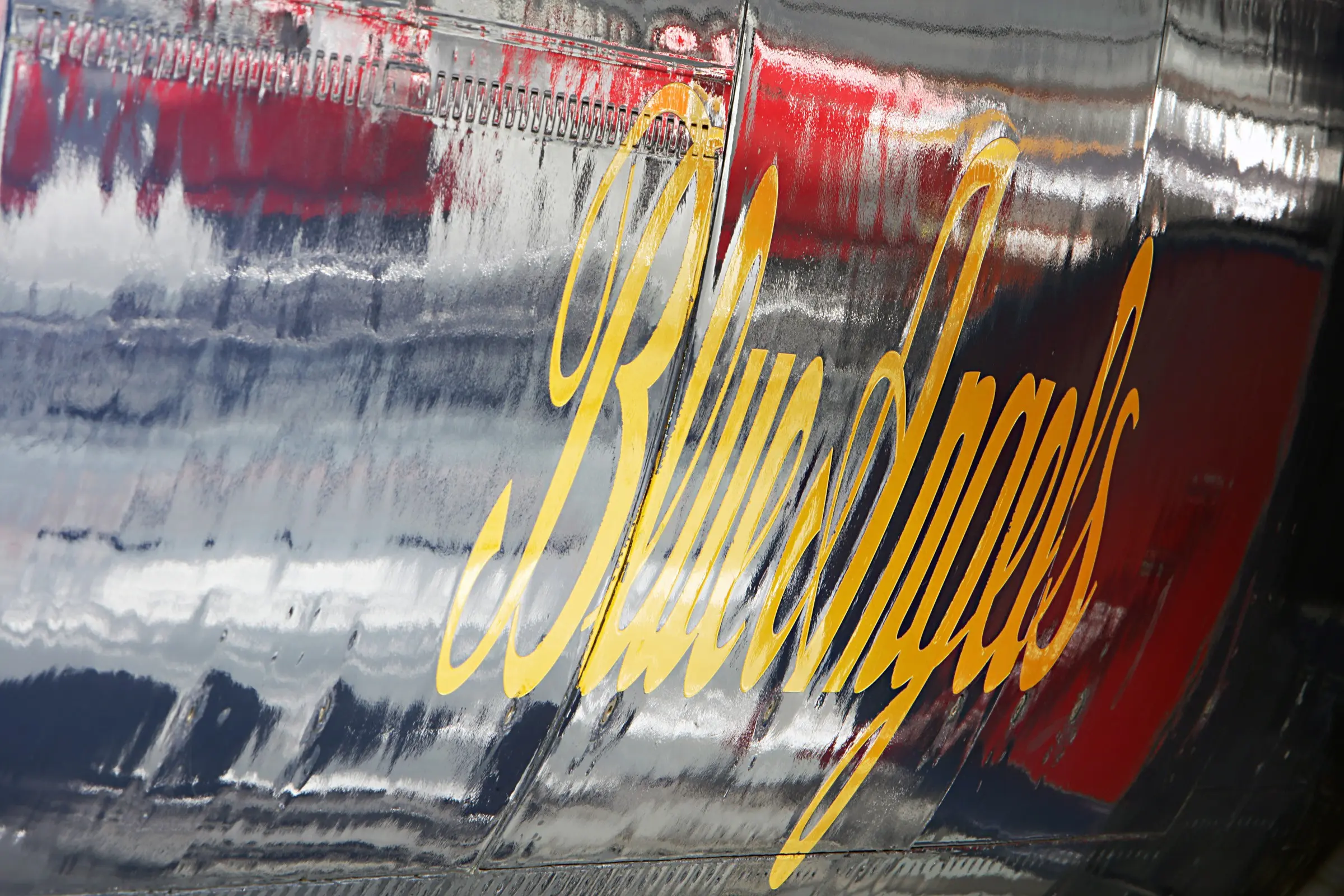
Manolo Chrétien turns the visual language of aviation into photography shaped by light, reflection and movement. Working with aircraft and other machines, he pairs images of their streamlined forms with fine art printing on brushed aluminum, drawing the subject and its material into a single, considered image. His photographs make polished surfaces and precise contours carriers of atmosphere as well as function.
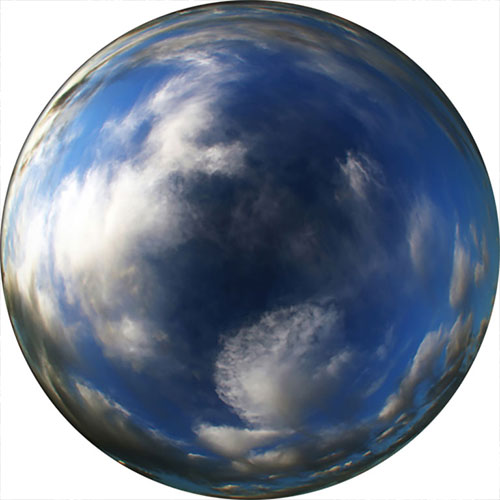
Raised on the Orange airbase, where his father was a pilot, Chrétien remembers bright metal, hot tarmac and the smell of kerosene as the texture of childhood. These early impressions inform a practice that looks at machines as both functional designs and expressions of human ambition, while returning to the sense of wonder with which he first saw them. He calls wind-shaped forms anemomorphoses.
In Chrétien’s photographs, machines made to move through air meet a surface that catches and redirects light, turning engineering into an experience of reflection, material, open space, distance and scale.
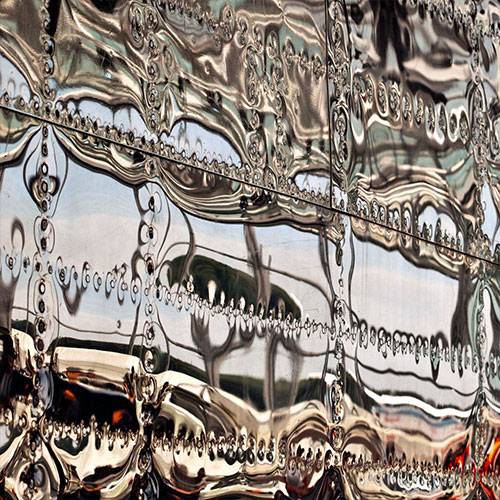
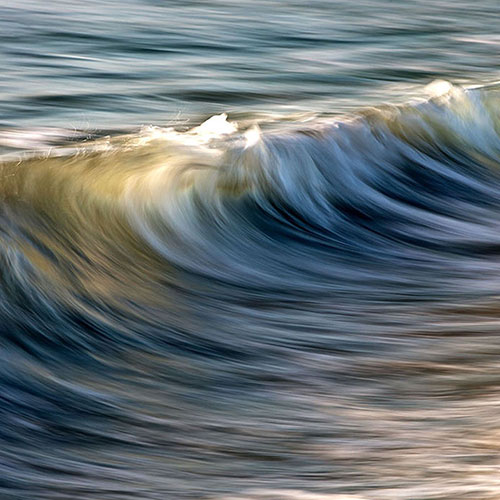
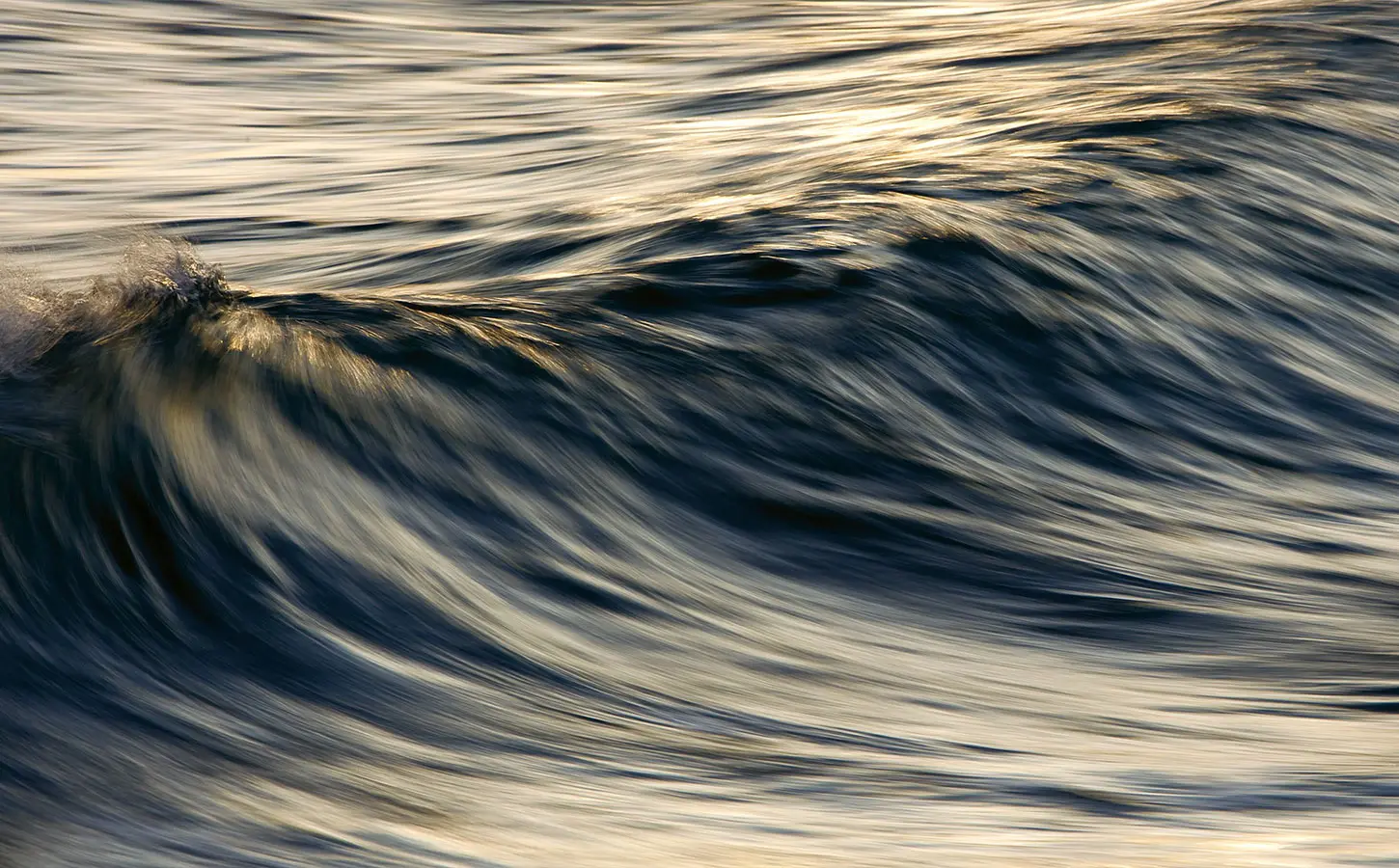
Chrétien’s photographs attend to the curves, reflections and textures of aircraft, automobiles and spacecraft, whose aerodynamic lines suggest movement even at rest. He prints selected images on brushed aluminum, allowing the support to echo the metal bodies of planes and to alter with ambient light. In Aluminations, the reflective surface becomes part of the image; Nouveaux-Nez brings his attention to the aircraft forms that shaped his childhood imagination. Wave extends this attention to water and reflection.
After studying at the École Nationale des Arts Appliqués et des métiers d’art, which he entered in 1987, Chrétien graduated from ENSAAMA Olivier de Serres in Paris in 1991. His photographic series include Effets Mer (1998), Juste-Ciel (2002) and New York Citillusions (2007). His work has been exhibited in France, Germany, the United States, China, the Netherlands and the UK. He lives and works in Blois, where his sustained attention to machines connects photography with material, design and light. “I was inspired by the powerful aesthetic imagery of the planes, the passion and risk involved, and the developing technology. I think there is a strong link between air and art.”